Eight Awesome Ways to Celebrate World Bee Day

It's World Bee Day every May 20th, and we thought we would share some ideas on how you can celebrate and help make a difference in saving the 20,000 species of bees (yes, that's 20,000 with four zeros).

Many people only think of honeybees when we talk about bees, but there are so many other types of bees (Mason, Leaf Cutter, Bumbles, Orchads, etc.) that live, work, and pollinate in some of the most unusual ways! That means, there are different opportunities for each of us to take in saving these amazing insects which, by the way, provide us with over ONE THIRD of our food here on the planet! So, let's get to it!
Plant Something That Blooms - plant a wildflower, a bush, an herb, a vegetable, a fruit, or a tree. You've got over 400,000 species of plants that bloom, so go nuts! Speaking of nuts, yes, many nut trees bloom, so think of Macadamias , Almonds, and Chestnuts. Most all herbs bloom and bees love Marjoram, Lavender, Basil, and Thyme. Plus, you'll have something to eat too! Even if you only have a small porch or balcony, pollinators need a "rest stop" to grab a bit of nectar or pollen along their journey. In fact, just a few blooming wildflowers and herbs can feed thousands of beneficial insects over the course of the spring and summer seasons. Choose plants that bloom in early spring, when bees need food sources the most, all the way into late fall, when they are storing reserves for the winter.
Create a Refreshing Oasis - bees, like all other species, need water in addition to nectar and pollen. Placing a shallow dish of water or a solar birdbath fountain featuring rocks where they can land, can make all the difference for saving our little creatures. Especially during hot summer months, a single beehive can run through almost a gallon of water in a day! Place in an area near flowering foliage and keep filled with freshwater. Running or dripping water will help keep mosquitoes from breeding and algae from growing as well.
Create a Habitat - you don't have to buy an entire beehive to help bees in their native environments. Most native bees are solitary and don't make honey. They live in small groups or alone and only pollinate plants vs. running a hive producing honey, beeswax, propolis, bee pollen, and, royal jelly - (when that's a lot of products!). These various species of native bees can also pollinate 15x more in a day than honeybees! Solitary bees can be found in the ground, or in holes in trees and aging wood. You can provide a place for them naturally by simply leaving an area of your yard or garden undisturbed so that they can hibernate over the winter and raise offspring. You may also build or purchase a bee hotel or bee house featuring natural wood holes, reeds, or pinecones. If you hang one of these, make sure it faces the morning sun, and is away from your windows and doors. It's advisable to clean it out between seasons and habitat stages to keep bacteria and other diseases from harming the pollinators.
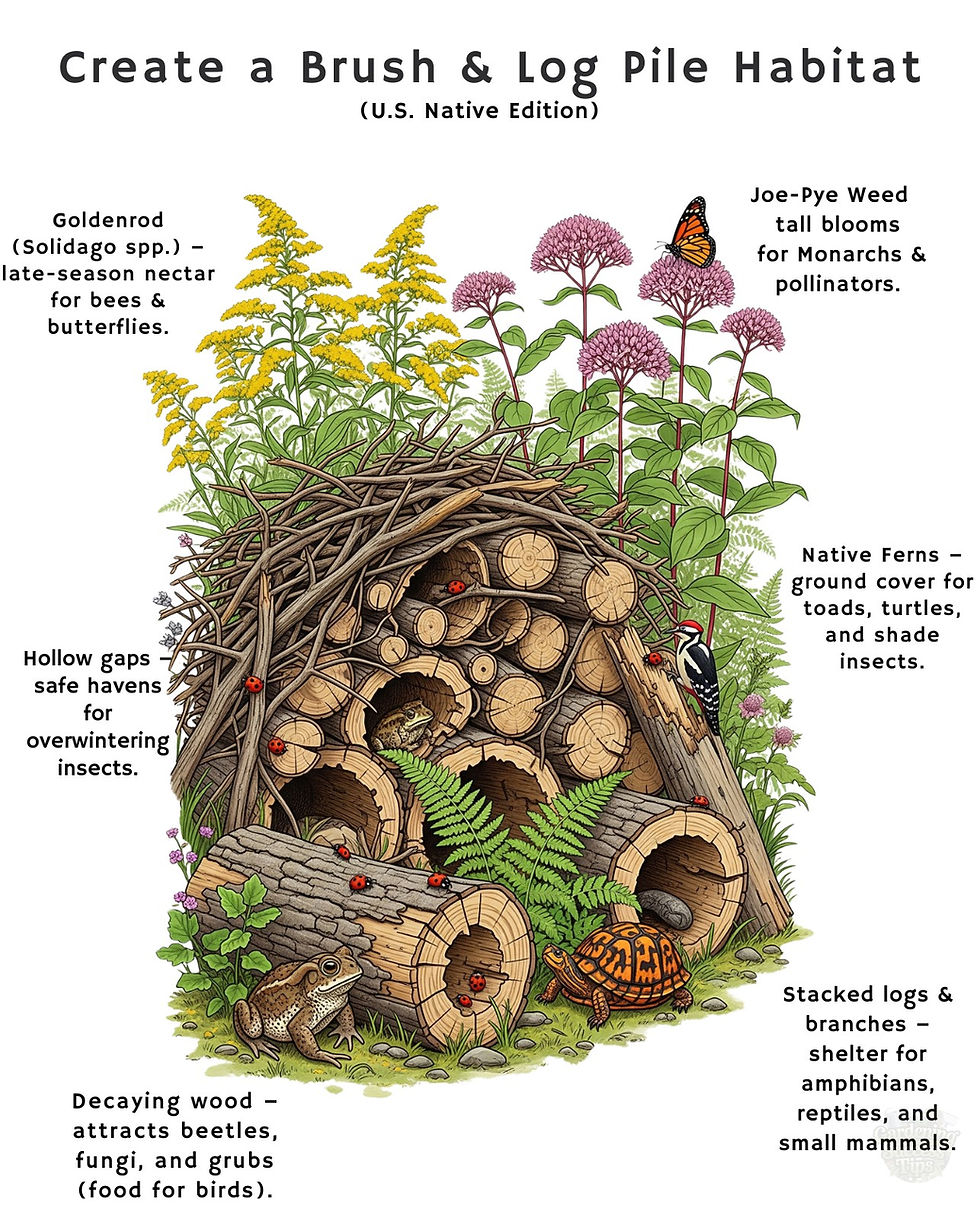
Habitats for bees also help other beneficial species of insects, birds, reptiles, and amphibians Host a Honey Tasting Get-Together - just like having a wine tasting, invite your friends and family over a honey tasting! There are many types of honey from light wildflower to citrus tropical, to dark, richer Buckwheat and Goldenrod. It can be a fun event and your guests can learn about which flowers make their favorite honey. Honey is a great ingredient for fish and chicken to desserts and mixed drinks. Go wild and get buzzed!

A honey tasting party can provide guests with an alcohol-free option for creative fun Visit a Beekeeper - You are probably closer to an aipirary (beehive), than you know! Many urban and rural areas are host to honeybee hives that feature options for guests to visit and learn all about beekeeping and making honey. Many immersive experiences allow you to zip up in a bee suit and visit the hives up close with a trained beekeeper. It's an amazing experience and you'll come away with new wonderment and respect for bees and how we get our honey and food!
Sponsor a Beehive - you can make a donation or even buy a beehive for a family, church, or school in your area! Sponsored beehives are a great way to not only help pollinators, but provide a great educational experience for kids and volunteers. It's also a wonderful way for organizations to raise money through sales of honey, beeswax candles, and honeycomb. In fact, a single small hive can produce a hundred or more jars of honey and a dozen candles! Buying a hive is easy and can even have your name branded on the outside of the hive!
Join a Local Community Garden - that's right! Even community gardens need bees and you'll experience first-hand about what vegetables, fruits, and herbs need and attract pollinators. Help out with placing hive boxes for native bees or help raise funds for creating and maintaining a honeybee hive for even more food sources to sell and donate to food banks and churches. Less than 10% of community gardens host bees. Adding bees to an existing garden can be an extremely productive resource and studies show pollinators can increase crop quality and quantity by as much as 30%.
Donate or Give a Gift of Pollination - there are over a dozen bee and pollinator-focused organizations like Pollination Partnership, Xerces Society, and of course, our favorite, Arkearth. Even a small gift of $25 helps to maintain, monitor, and feed honey and native bees. If you're buying for a graduation or birthday, consider an environmental gift of local raw honey, a pollinator house, or wildflower seeds for a meaningful gift that will be a reminder for months to come of how our ecosystem is so important to us.

Spencer's Apiaries is a small, family owned company that produces amazing honey products Whatever you do, celebrate it your way and remember that everyday, can be not only World Bee Day, but World Pollinator Day, because our little flying fuzzy friends need us now more than ever. Cheers!


Comments